


Live @ Fireflies, Bangalore

 I'm crouching in a corner of a recording booth just about big enough for two people and an ektara. "Maybe I should sing," says the gentle, childlike voice of Parvathy Baul, "you'll get better shots that way." Even before words of gratitude took shape in my brain she had begun, not miming or half-heartedly for the camera but full blown, letting loose every iota of her vocal chords, releasing every atom of her heart, bearing her soul in song.
 Blinking back instantaneous tears and listening to that little voice in my head telling me to close my gaping mouth and click, I shot away as the notes reverberated in that little booth and in my spirit. It felt all at once like a cool shower on a hot day, a warm blanket on a cold one and a glimpse, a tiny pinhole of a glimpse into the infinite.


 Shyam Sunder Das Baul, ever so soaring on the Anandalahari, Ghunguru and vocals.

 Bidut Rajbongshi on the Sreekhol
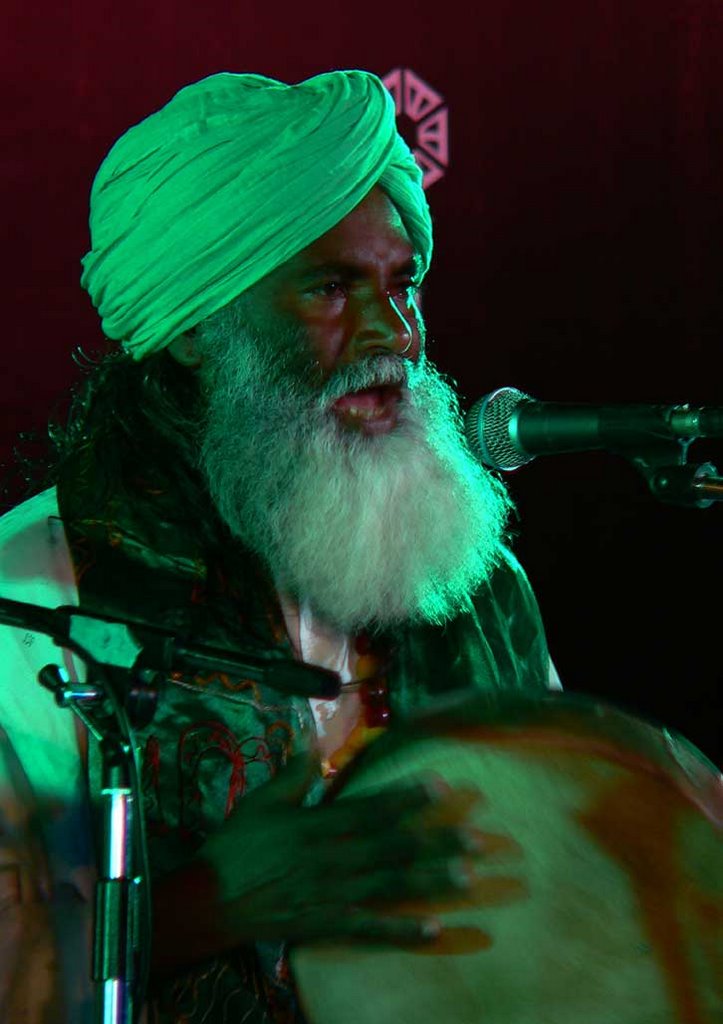 Ruhaniyat made its first appearance in Bangalore this year, with an ecletic bunch. The show began as with Zikr-e-Rifayi by the Fakirs from Hyderabad, lending a truly mystical air amidst plumes of green lit smoke. Their frenetic beating of the duff in unison gave a solid rhythmic base to the powerful singing.
 From the dunes of Rajasthan emerged the group of the evening led by a triumvirates of vocalists. The star, although he'd probably balk at the word was an animated gentleman called Kachra Khan. Apparently many of his older siblings had perished so his parents decided to name him something that wouldn't tempt the evil eye. His vocal chords were pretty much the opposite of his name, as he toyed with Rag Bhairavi among others, soaring, whispering and modulating dropping jaws and bringing palms together with every song. This was the only group that played twice, once in each half of the programme and deservedly so. Khan sahab was ably by a group of phenomenal musicians whose names I wish I remembered on a variety of instruments from the sarangi to an energetic guy on castanets. They sang in a mixture of Sindhi, Punjabi and Multani.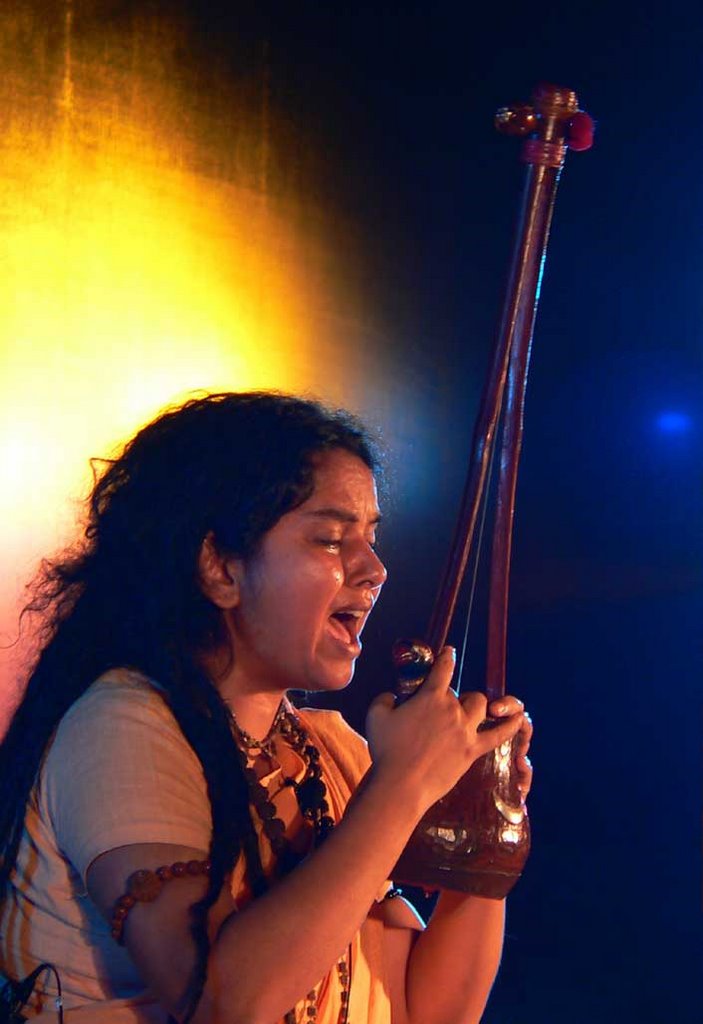
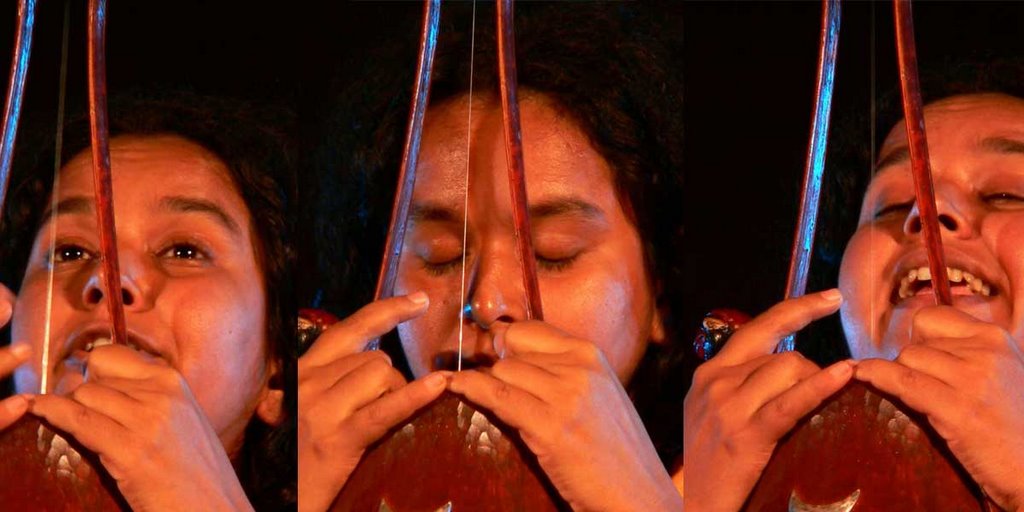 The soul stirring award of the evening would have to go to Parvati Baul. Armed with nothing but an ektara and her voice she drove us to the point of tears as she herself let water flow out of her eyes rivetted skywards. If only our Indian rock bands had one thousandth the feeling that this lady poured out.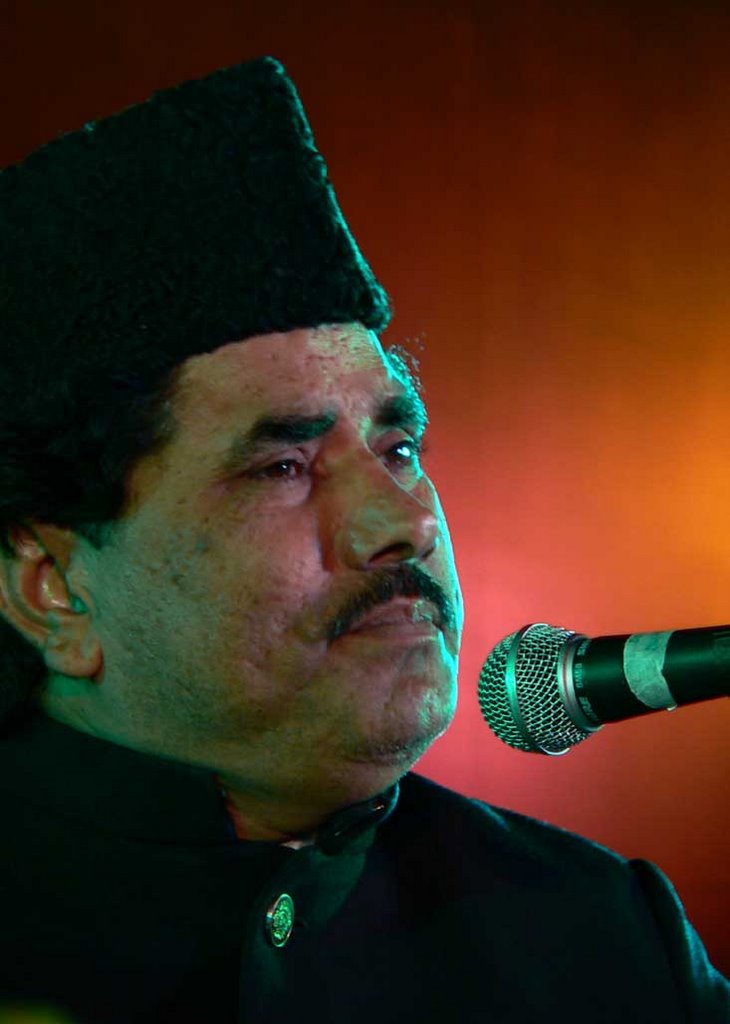
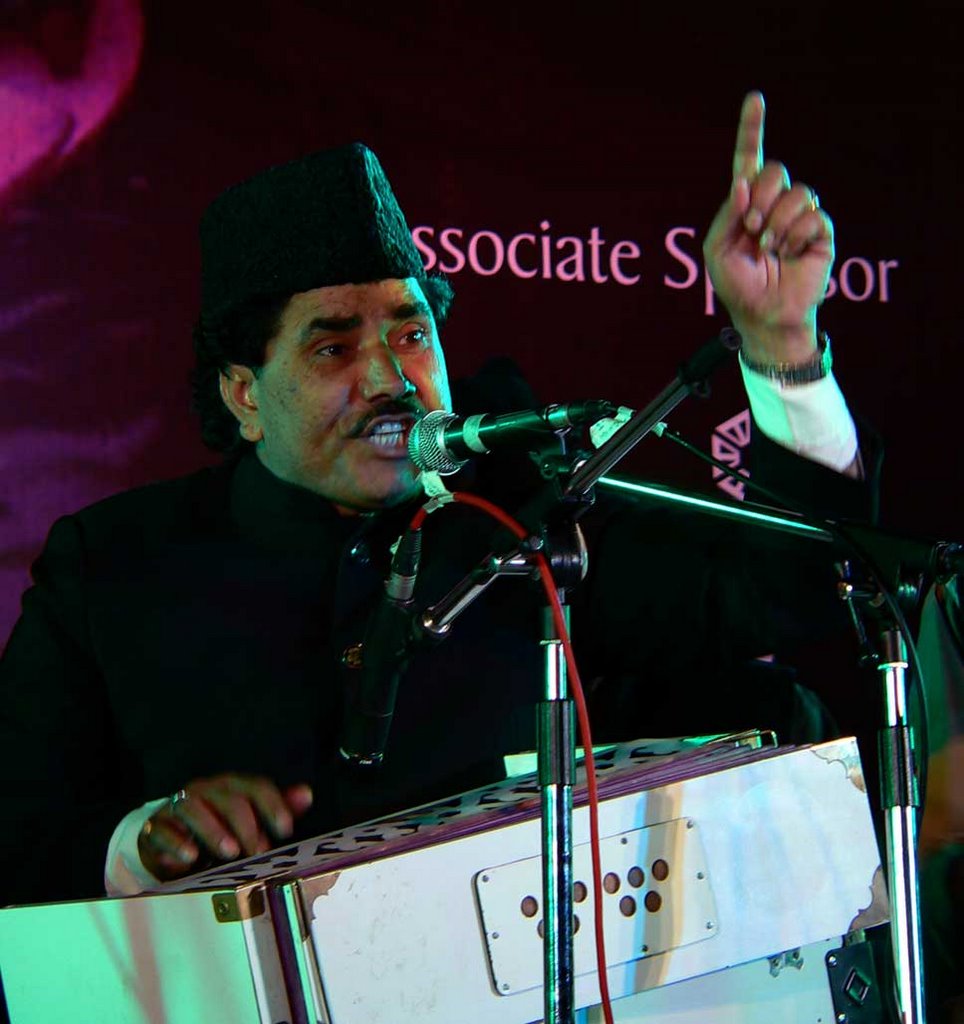
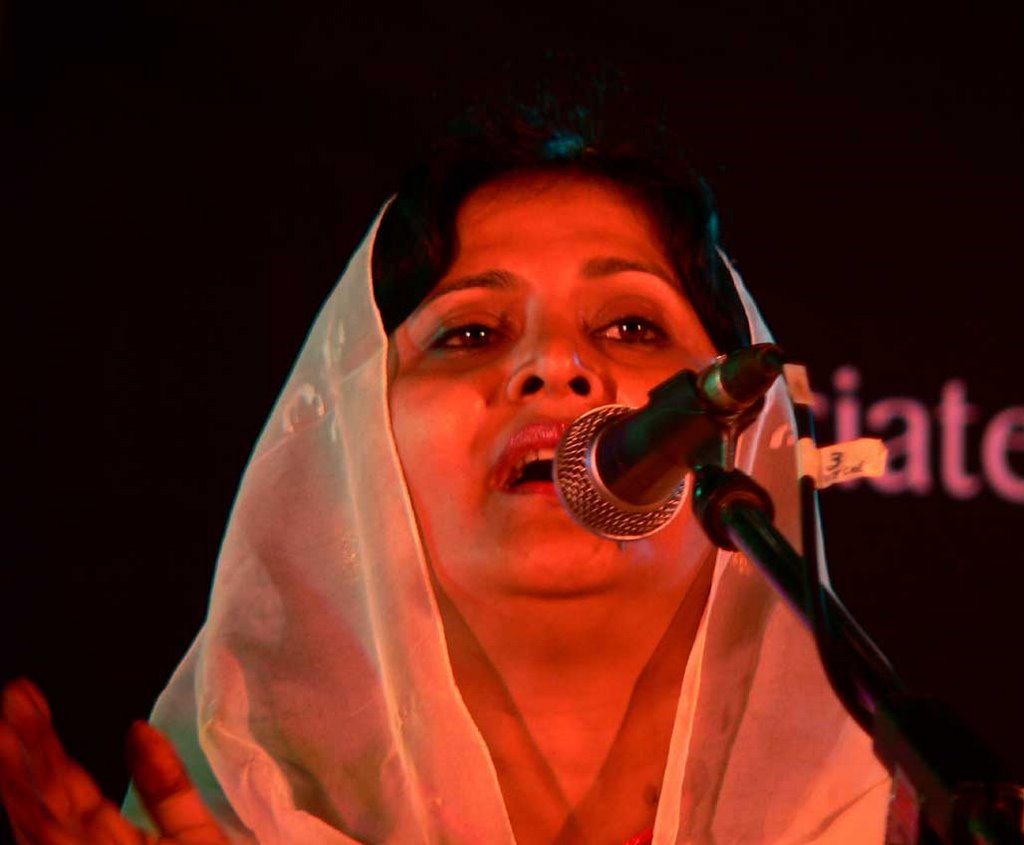 Zikr-e-Rifayi marked a change in tempo and intensity, preferring the soothing sounds of the Jikir Jari compositions of Azan Peer, a 16th century Sufi saint of Assam. Like an Assamese mist, the group led by Hafiza Begum wafted over us.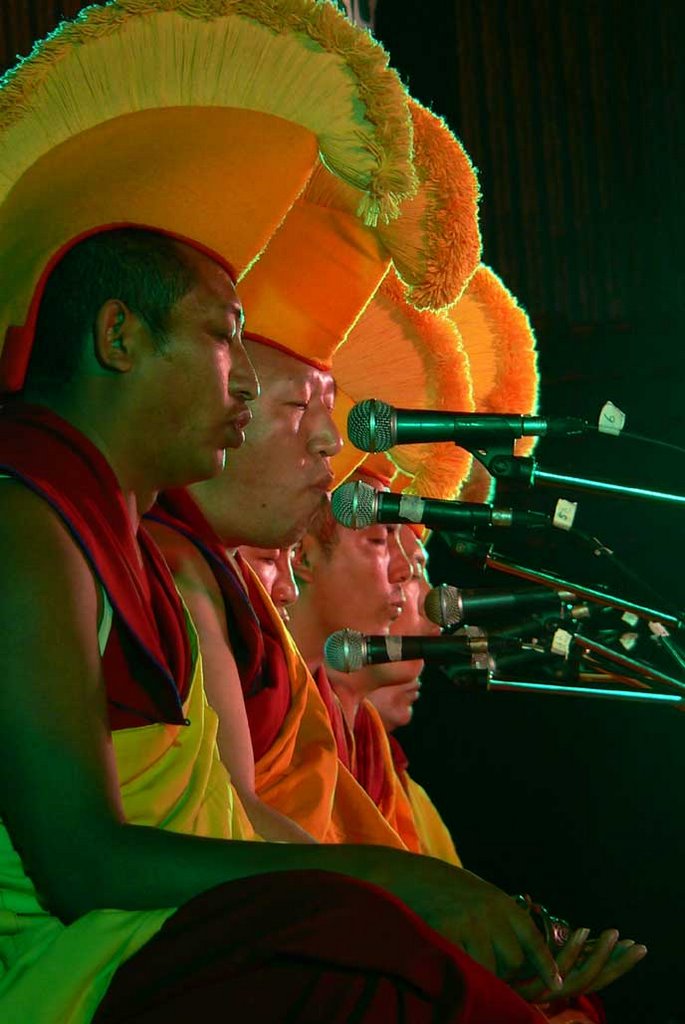
 I still feel the entire show in depths of my soul and the cockles of my heart. I want to hold on to what I felt there forever or atleast carry a little part of it wherever I may roam. I thank them all.
 Posts
All Comments
Posts
All Comments

 Posts
All Comments
Posts
All Comments


